
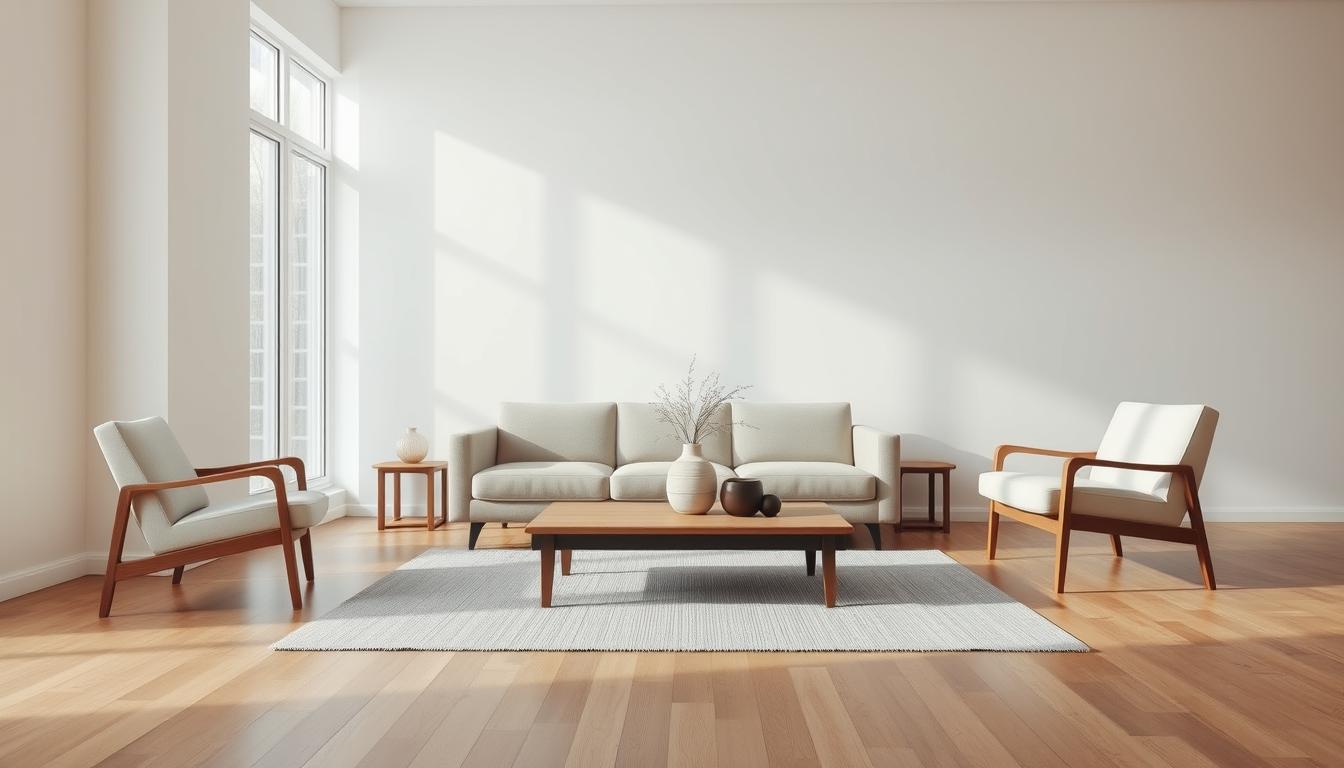
Are you tired of living in a cluttered and chaotic environment? Imagine having a serene and stylish space that exudes elegance and sophistication.
Embracing minimalist decor ideas can lead to a more organized and clutter-free living environment. By adopting the principles of minimalist design, you can create a chic space that is both beautiful and functional.
With minimalist home design inspiration, you can transform your living space into a haven of peace and tranquility. In this article, we will explore the world of minimalist design and provide you with practical tips to create a stylish and chic space.
Key Takeaways
- Simple and clutter-free living environment
- Elegant and sophisticated space
- Practical tips for adopting minimalist design
- Transforming your living space into a haven
- Creating a beautiful and functional space
The Essence of Minimalist Design Philosophy
At its core, minimalist design is about creating a serene and clutter-free environment that fosters a sense of calm and clarity. Minimalist design is not just an aesthetic choice; it’s a lifestyle that promotes simplicity and intentionality in our daily lives.
Core Principles of “Less is More”
The principle of “Less is More” is fundamental to minimalist design. It advocates for reducing clutter and focusing on the essentials. By paring down our belongings and surroundings to the bare minimum, we can create a more streamlined and efficient living space.
This approach encourages us to evaluate the necessity and value of each item, leading to a more intentional and mindful consumption pattern. For instance, adopting a capsule wardrobe can significantly reduce decision fatigue and make mornings easier.
How Minimalism Enhances Daily Living
Minimalism can significantly enhance daily living by reducing stress and increasing productivity. A clutter-free environment minimizes distractions, allowing us to focus on what’s truly important.
By simplifying our surroundings, we can also simplify our routines. For example, having a streamlined kitchen with only essential appliances and cookware can make cooking more enjoyable and less overwhelming.
| Aspect | Cluttered Space | Minimalist Space |
|---|---|---|
| Mental State | Stressful, Overwhelming | Calm, Focused |
| Productivity | Low, Distracting | High, Efficient |
| Aesthetic | Chaotic, Disorganized | Serene, Elegant |
Embracing minimalist design principles can lead to a more simple living inspiration and a clean home design. By focusing on what’s truly important, we can create modern minimalist interiors that are both beautiful and functional.
Minimalist Home Design Inspiration for Modern Spaces
The beauty of minimalist design lies in its ability to create a sense of calm and clarity in our increasingly cluttered lives. By embracing simplicity and functionality, we can transform our living spaces into serene oases that promote well-being and tranquility.
Scandinavian Influence on Minimalist Interiors
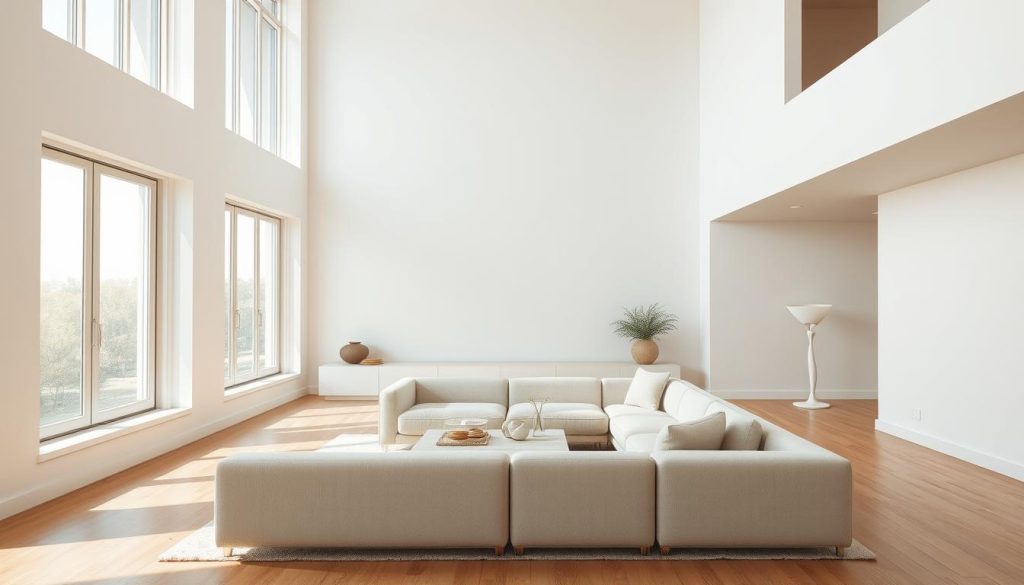
Scandinavian countries are renowned for their minimalist approach to interior design, characterized by the use of light woods, neutral color palettes, and an emphasis on functionality. Scandinavian home decor often incorporates natural elements, such as wool and linen, to add warmth and texture to otherwise minimalist spaces. This approach not only creates a sense of coziness but also ensures that the space remains uncluttered and visually appealing.
Some key elements of Scandinavian minimalist interiors include:
- Light color schemes to enhance the sense of space
- Use of natural materials for warmth and texture
- Functional furniture that serves multiple purposes
Japanese Minimalism: Wabi-Sabi Approach
Japanese minimalism, particularly the Wabi-Sabi approach, celebrates the beauty of imperfection and impermanence. This aesthetic values the worn and aged over the new and pristine, encouraging a more mindful and accepting attitude towards the passage of time. Wabi-Sabi is about finding beauty in the simple and the worn, often incorporating elements like distressed wood and handmade ceramics into the decor.
| Wabi-Sabi Elements | Description |
|---|---|
| Distressed Wood | Adds character and warmth to a room |
| Handmade Ceramics | Brings a touch of human imperfection and uniqueness |
| Natural Fibers | Enhances the sense of warmth and coziness |
Contemporary American Minimalist Trends
Contemporary American minimalist trends often blend the clean lines and simplicity of traditional minimalist design with modern materials and technologies. This fusion results in spaces that are not only aesthetically pleasing but also highly functional. Minimalist furniture ideas in contemporary American design might include sleek, low-profile sofas and chairs, along with innovative storage solutions that keep clutter at bay.
By incorporating these diverse influences, homeowners can create a minimalistic interior design that is both beautiful and functional, reflecting their personal style while maintaining the principles of minimalism.
Decluttering: The First Step to Minimalist Living
The path to minimalist living is paved with the decision to declutter, a choice that leads to a more organized, clean, and inspiring environment. Decluttering is not just about getting rid of stuff; it’s about creating a space that reflects your values and supports your lifestyle. By letting go of unnecessary items, you can reduce stress and increase your focus on what’s truly important.
Room-by-Room Decluttering Strategy
Effective decluttering involves a systematic approach. Start by focusing on one room at a time to avoid feeling overwhelmed. Begin with areas that are most used or that cause the most stress. For instance, start with your living room or kitchen. Sort items into categories: keep, donate, sell, and discard. Be ruthless about letting go of items that no longer serve a purpose or bring joy.
- Sort items into categories.
- Be ruthless about letting go of unnecessary items.
- Consider the functionality and aesthetic appeal of each item.
The 90/90 Rule for Keeping Items
The 90/90 rule is a simple yet effective guideline for decluttering. It states that if you haven’t used an item in 90 days, and you don’t foresee using it in the next 90 days, it’s likely safe to get rid of it. This rule helps in making decisions about items that are not frequently used, making it easier to declutter.
Organizing Systems That Maintain Minimalism
Once you’ve decluttered, implementing organizing systems is crucial to maintaining your minimalist space. Use storage solutions that are both functional and aesthetically pleasing. Labeling and categorizing your belongings can also help keep clutter at bay. Regularly scheduled maintenance, such as weekly tidying sessions, can ensure that your space remains organized and clutter-free.
Key organizing tips include:
- Using multi-functional storage solutions.
- Labeling and categorizing belongings.
- Scheduling regular tidying sessions.
Essential Design Elements for a Minimalist Home
To create a truly minimalist home, it’s essential to understand the key design elements that work together to produce a harmonious and visually appealing space. A minimalist home is not just about removing clutter; it’s about creating an environment that is both functional and aesthetically pleasing.
Color Selection: Creating a Cohesive Palette
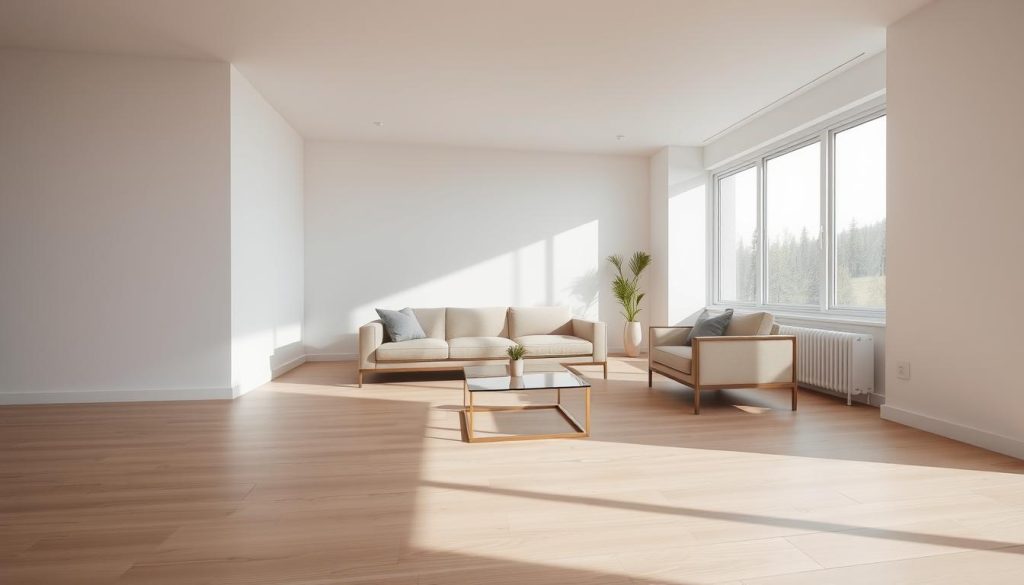
A well-chosen color palette is crucial in minimalist design. It sets the tone for the entire space and helps to create a sense of calm. Neutral colors such as whites, grays, and beiges are commonly used in minimalist interiors because they provide a clean and uncluttered backdrop for other design elements.
When selecting a color palette, consider the natural light in your home and how the colors will look at different times of day. A cohesive palette can include different shades of a single color or a combination of complementary colors that work well together.
Texture and Materials: Adding Depth Without Clutter
While minimalist design is often associated with a lack of clutter, it’s not about eliminating texture and interest entirely. Instead, it’s about using texture and materials thoughtfully to add depth to a space without overwhelming it. Natural materials like wood, stone, and linen can add warmth and character to a minimalist home.
The key is to strike a balance between different textures and materials. For example, pairing smooth surfaces like glass or metal with rougher textures like wood or woven fibers can create a visually interesting contrast.
Lighting: Maximizing Natural and Artificial Sources
Lighting plays a critical role in minimalist design, as it can greatly affect the ambiance of a space. Maximizing natural light is a priority, so consider using sheer curtains or blinds that allow sunlight to filter in. Artificial lighting should be used judiciously to supplement natural light, especially in areas that are prone to shadows.
Incorporating a mix of light sources, such as overhead lighting, table lamps, and floor lamps, can help to create a layered lighting effect that adds depth and visual interest to a room.
Minimalist Furniture and Decor Selection Guide
Minimalist design is not just about removing clutter; it’s also about selecting furniture and decor that serve a purpose. When it comes to creating a minimalist space, the focus should be on simplicity, functionality, and aesthetics.
Multi-functional Furniture for Small Spaces
In small spaces, multi-functional furniture is a game-changer. It not only saves space but also reduces clutter. Consider a storage ottoman or a coffee table with storage. These pieces serve more than one purpose, making them ideal for minimalist living.
Another great example is a murphy bed, which can be folded up against the wall when not in use, freeing up floor space. Such furniture pieces are perfect for small apartments or rooms where space is limited.
Statement Pieces That Define Your Style
While minimalism is about simplicity, that doesn’t mean your space has to be boring. Statement pieces can add character to your minimalist home. Choose items that reflect your personal style, such as a unique piece of art or a sculptural vase.
Incorporating Scandinavian home decor elements, like clean-lined furniture and natural textures, can also enhance the aesthetic of your space. These elements bring warmth and coziness to an otherwise minimalist environment.
Sustainable and Timeless Purchasing Decisions
Making sustainable and timeless purchasing decisions is crucial in minimalist design. Opt for furniture made from sustainable materials and choose classic designs that won’t go out of style quickly. This approach not only reduces waste but also ensures that your space remains stylish over time.
For simple living inspiration, look to brands that prioritize sustainability and minimalism. Investing in quality over quantity is a key principle of minimalist living, and it encourages a more thoughtful and less consumptive lifestyle.
Conclusion: Embracing the Minimalist Lifestyle
By incorporating minimalist home design inspiration into your living space, you can create a clean home design that promotes simplicity and clarity. The key to achieving this is to focus on essential design elements, such as a cohesive color palette, thoughtful texture and material selection, and effective lighting.
As you’ve learned, decluttering is a crucial step in embracing the minimalist lifestyle. By adopting a room-by-room decluttering strategy and implementing organizing systems, you can maintain a clutter-free environment that enhances your daily living.
Minimalist furniture and decor selection is also vital. By choosing multi-functional furniture and statement pieces that define your style, you can create a space that is both functional and aesthetically pleasing. By embracing the minimalist lifestyle, you can enjoy a more streamlined, clutter-free living environment that promotes a sense of well-being.
FAQ
What is minimalist home design?
Minimalist home design is a style that emphasizes simplicity, clean lines, and a limited color palette. It’s about creating a clutter-free space that promotes relaxation and clarity.
How do I start decluttering my home to achieve a minimalist space?
Begin by sorting items into categories, such as keep, donate, and discard. Start with one room at a time, and work your way through each category. Consider using the 90/90 rule to help you decide what to keep and what to let go of.
What is the 90/90 rule in minimalist living?
The 90/90 rule states that if you haven’t used an item in 90 days, and it doesn’t bring you joy, consider getting rid of it. This rule helps you evaluate your belongings and make intentional decisions about what to keep.
How can I incorporate texture and materials into my minimalist space without cluttering it?
Use a limited palette of textures and materials, such as wood, linen, and glass, to add depth to your space. Choose multi-functional pieces, like a storage ottoman or a wooden coffee table, to add texture while maintaining a clutter-free environment.
What are some popular minimalist decor ideas?
Some popular minimalist decor ideas include using natural elements, like plants and branches, adding statement lighting fixtures, and incorporating simple, geometric patterns. You can also use minimalist artwork, like simple prints or sculptures, to add visual interest.
How can I maintain my minimalist space over time?
To maintain your minimalist space, establish routines like regular decluttering, tidying, and organizing. Be mindful of your consumption habits, and avoid impulse purchases. By being intentional about the items you bring into your space, you can maintain a clutter-free and peaceful environment.
What are some benefits of adopting a minimalist lifestyle?
Adopting a minimalist lifestyle can lead to a more organized, clutter-free living environment, reduced stress, and increased clarity. It can also help you develop a more intentional approach to consumption and living, promoting a sense of simplicity and well-being.
Can I still have a personalized space with minimalist design?
Yes, you can still have a personalized space with minimalist design. Incorporate personal items, like family photos or meaningful objects, into your decor. Use statement pieces, like a bold piece of artwork or a unique vase, to add personality to your space while maintaining a minimalist aesthetic.
How can I incorporate Scandinavian or Japanese influences into my minimalist space?
To incorporate Scandinavian influences, focus on using natural materials, like wood and wool, and emphasize coziness with textiles and lighting. For a Japanese-inspired space, incorporate elements like shoji screens, tatami mats, and simple, natural materials. Use these influences to create a unique and peaceful minimalist space.